Living Room Decor Ideas for a Stylish, Welcoming Space
Living room decor starts with a simple question: how do you actually use this room? If it is where you relax in the evening, watch television, read, and welcome guests, then the decor should support all of those things — comfortable seating, warm light, surfaces you can reach, and a look that feels like you. The best living room decorating ideas do not start with shopping. They start with the layout, the light, and a palette you can live with, and only then add the cushions, art, and accessories that make the room feel finished.
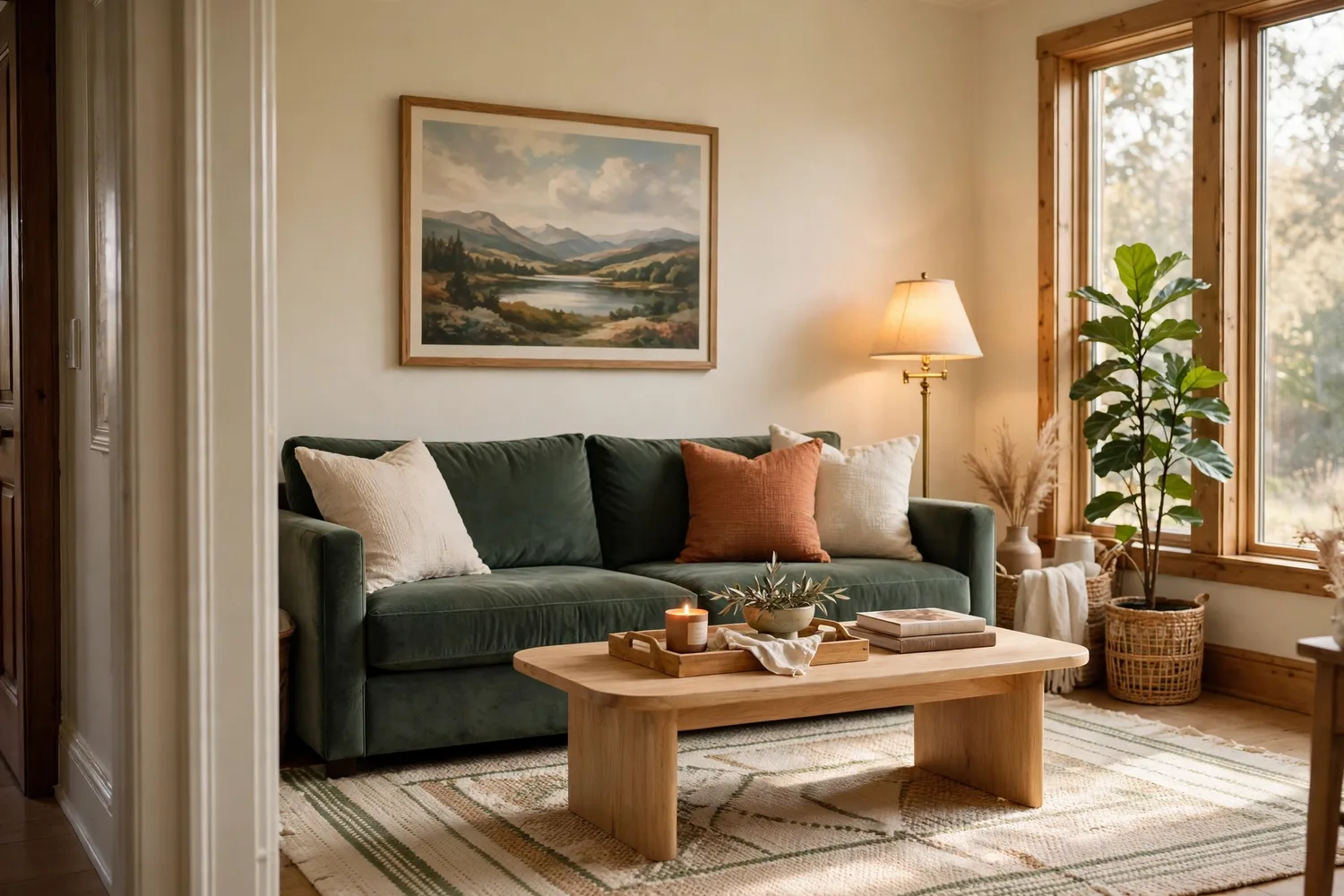
A living room is also the room guests see first, so it carries more pressure than any other room in the home. That pressure leads to two common mistakes: filling the room with furniture and decoration until it feels crowded, or leaving it so bare that it feels unfinished. The middle path is a room with clear purposes — a place to sit, a place to read, a place to set down a drink — and a few well-chosen decorative layers on top.
Start With the Palette, Furniture, and Light
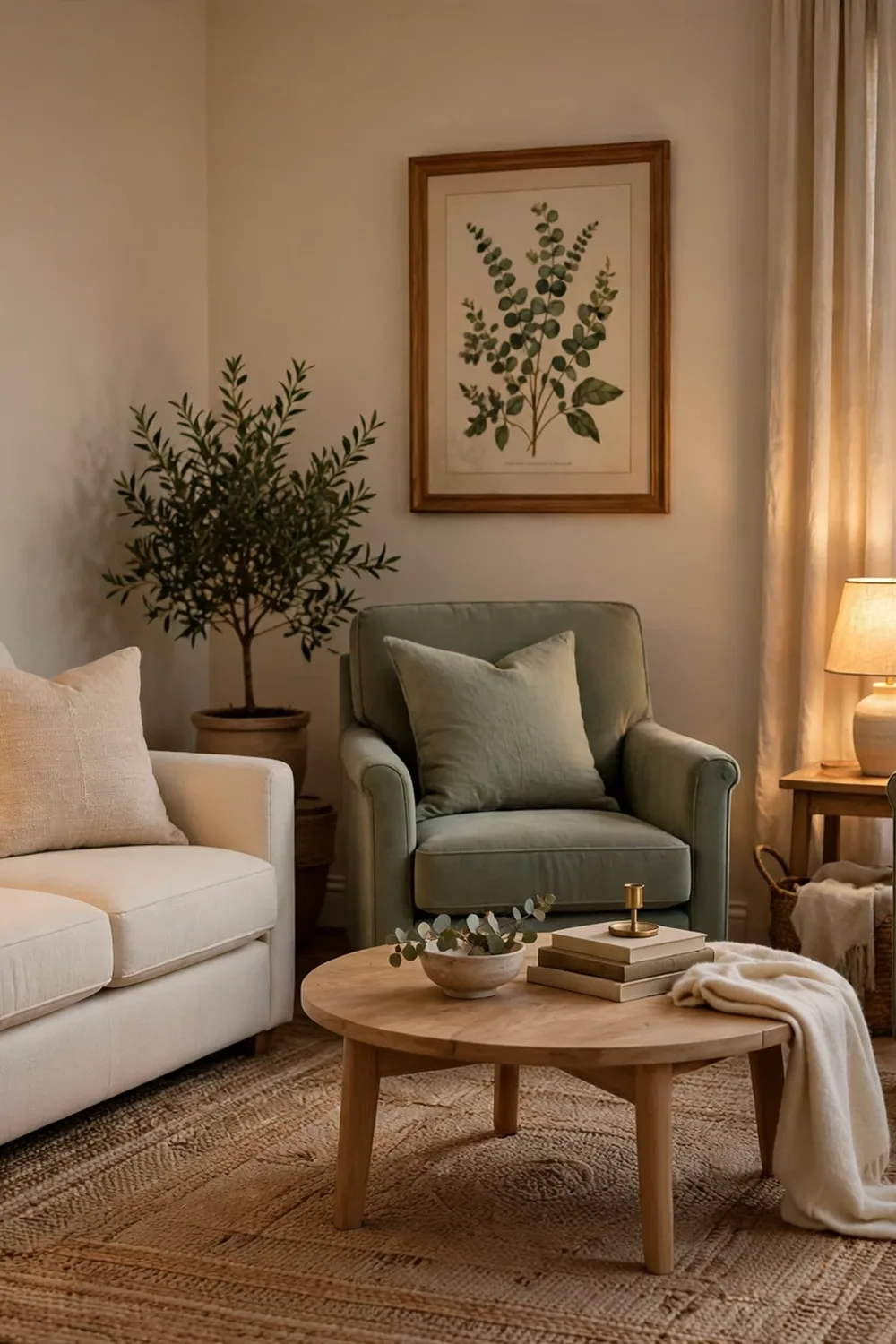
Choose a palette before you choose a single accessory. A calm base — warm white walls, a neutral sofa, light or mid-tone wood — lets you change the accent colors with cushions and throws whenever you want a fresh look. Add one deeper color for contrast, such as a muted green, a soft navy, or a warm rust, and one warm metallic or wood tone that repeats through the room. When the palette is settled, the cushions, art, and rug will almost choose themselves.
Furniture comes next, and comfort matters more than style. A sofa you love sitting on is worth more than a sofa that only looks good in a photo. Test the depth, the height, and the firmness if you can, and think about how many people usually sit in the room. A loveseat and two chairs often work better than one large sectional in a room where people want to talk, because chairs can be angled toward each other. Anchor tall furniture such as bookcases per CPSC Anchor It! guidance (https://www.anchorit.gov), and follow the manufacturer’s mounting and load instructions for any wall-mounted shelves or cabinets.
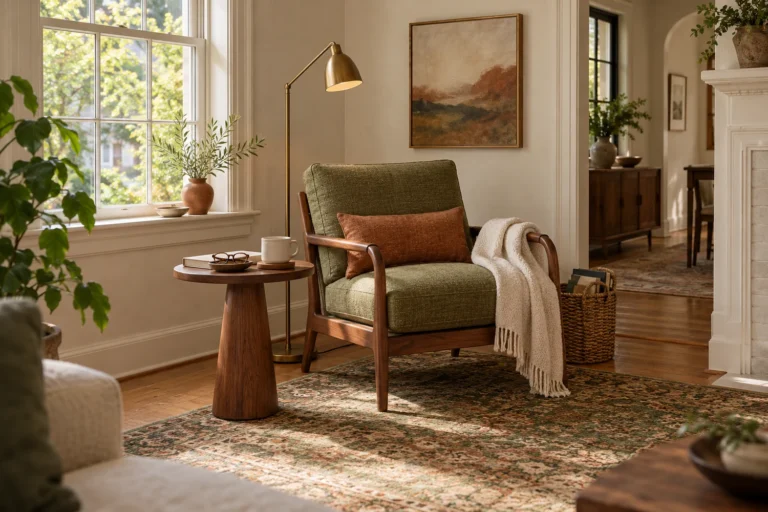
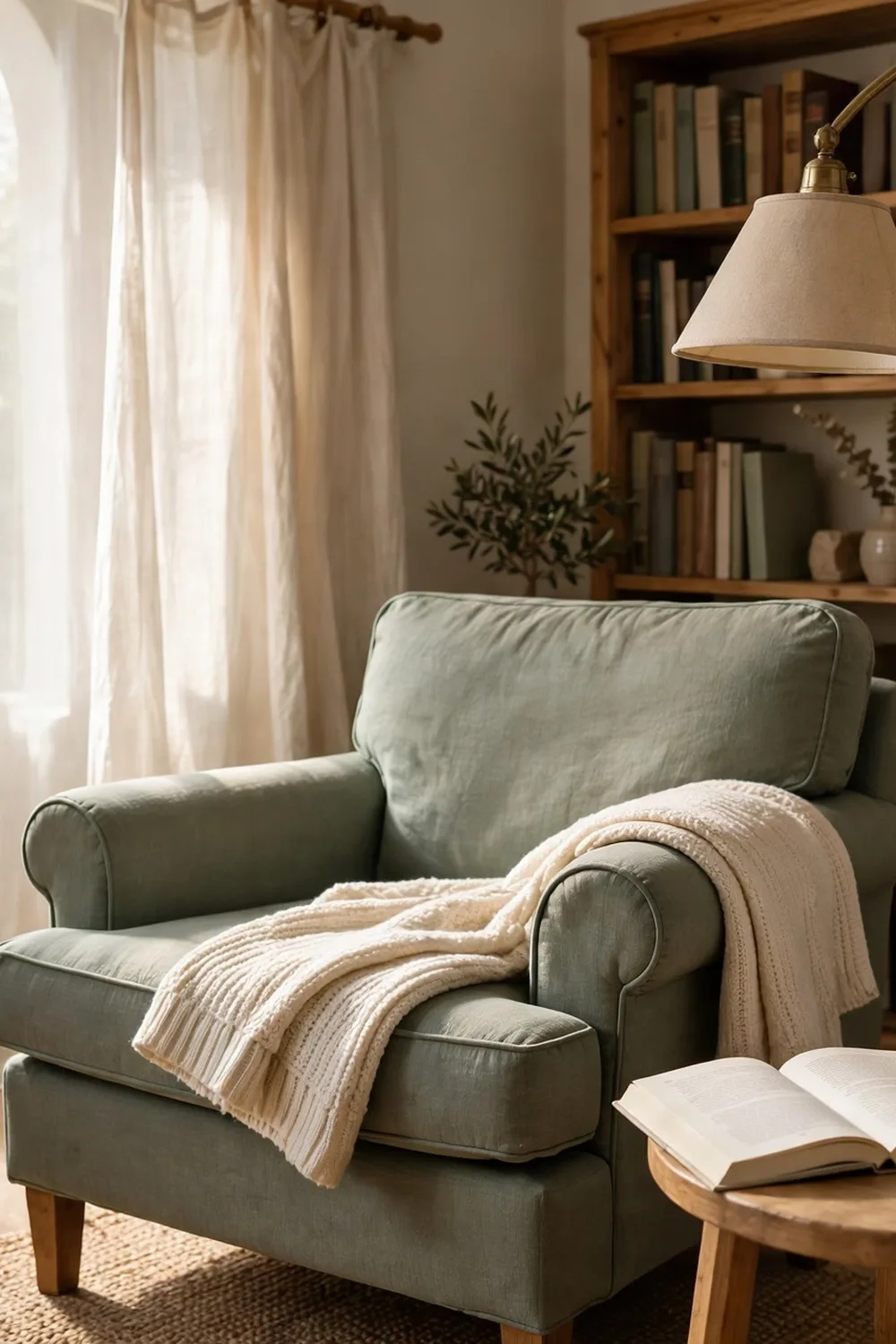
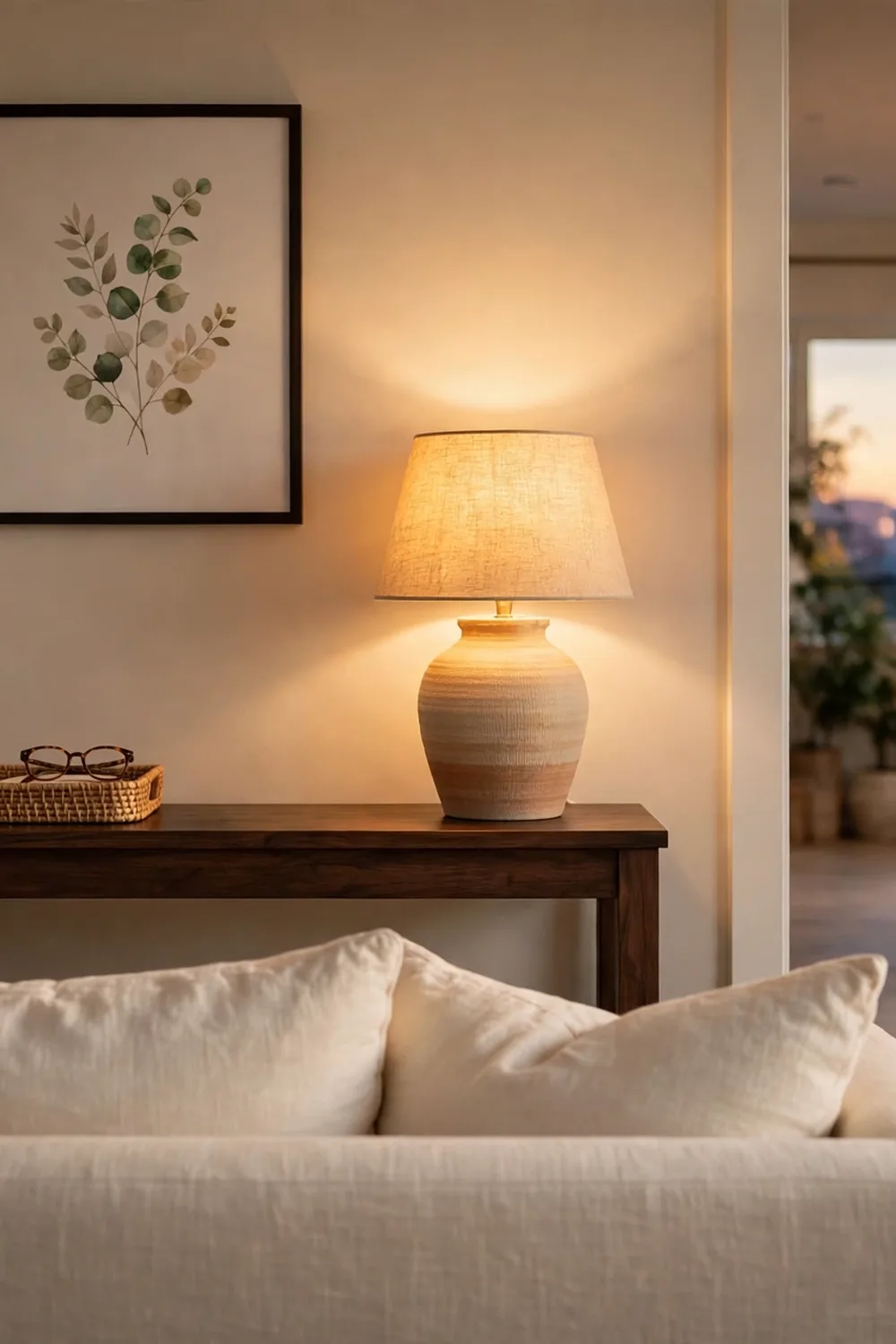
Light is the third foundation. A living room needs daylight during the day and warm lamps in the evening. A floor lamp beside the sofa, a table lamp on a side table, and a lamp on the console give the room layers of light that an overhead fixture alone cannot provide. Our guide to how to create a reading nook shows how a chair, a lamp, and a small table can make a quiet corner in any room — the same idea gives a living room a calm spot for reading even when the television is on.
Style the Coffee Table and Console
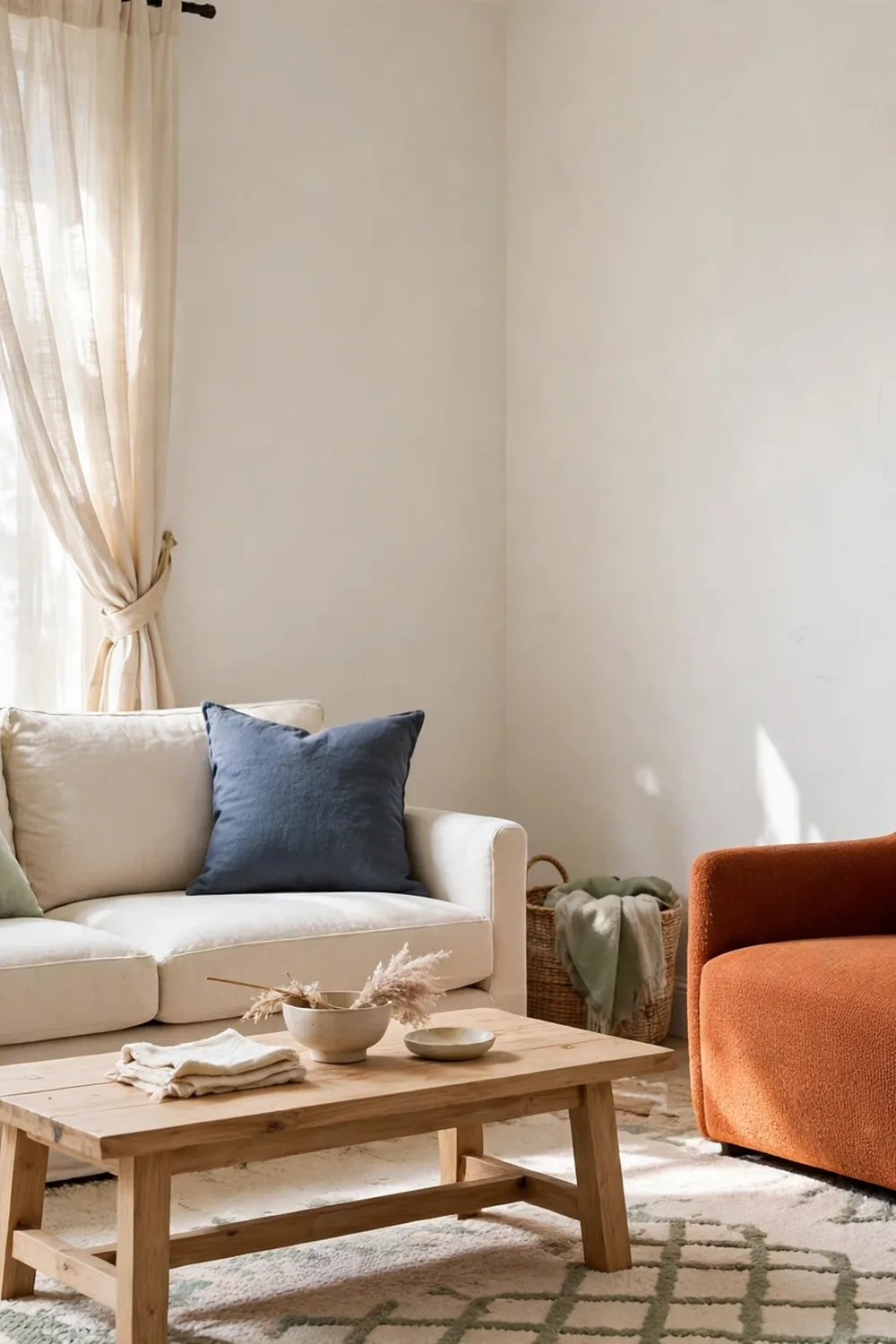
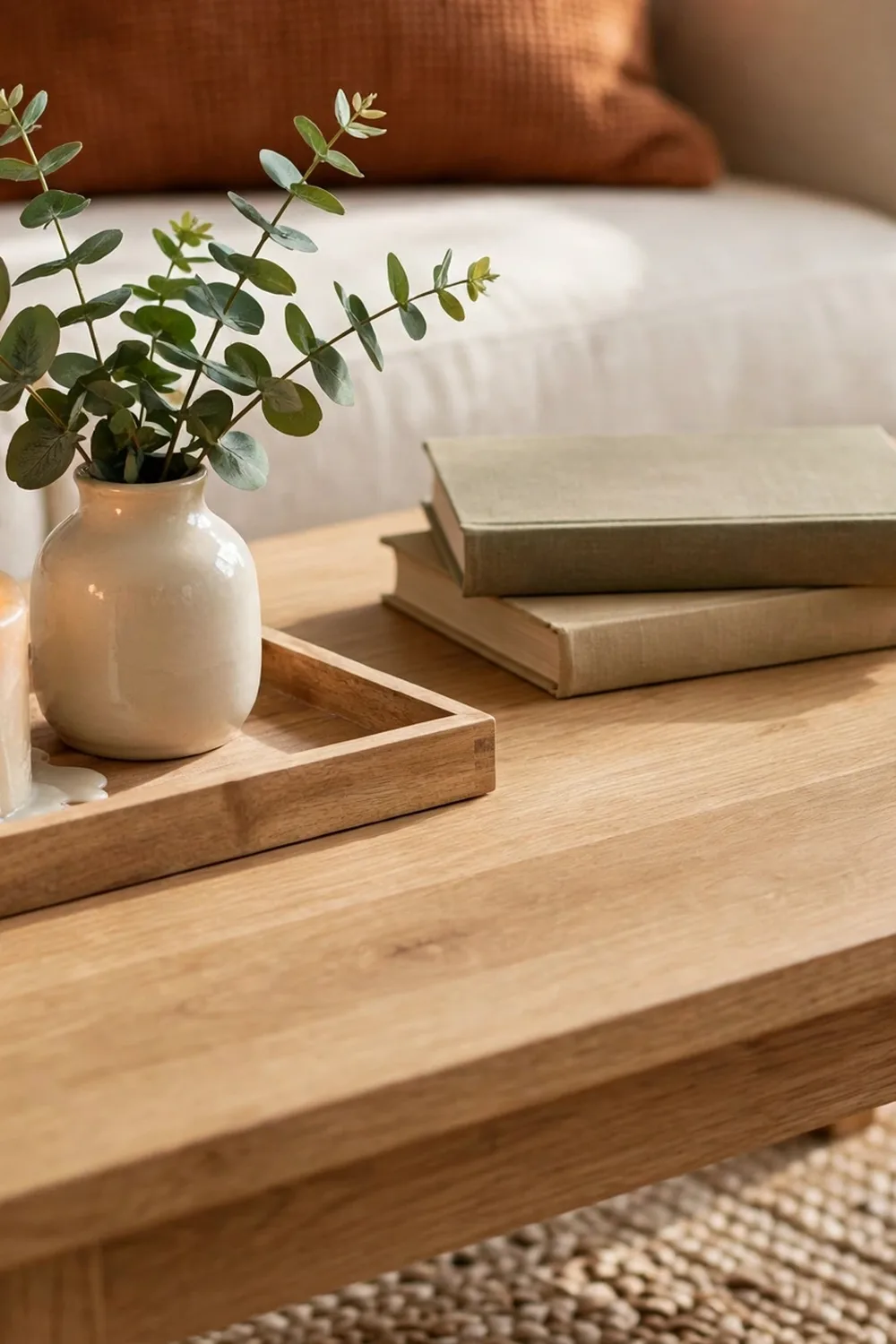
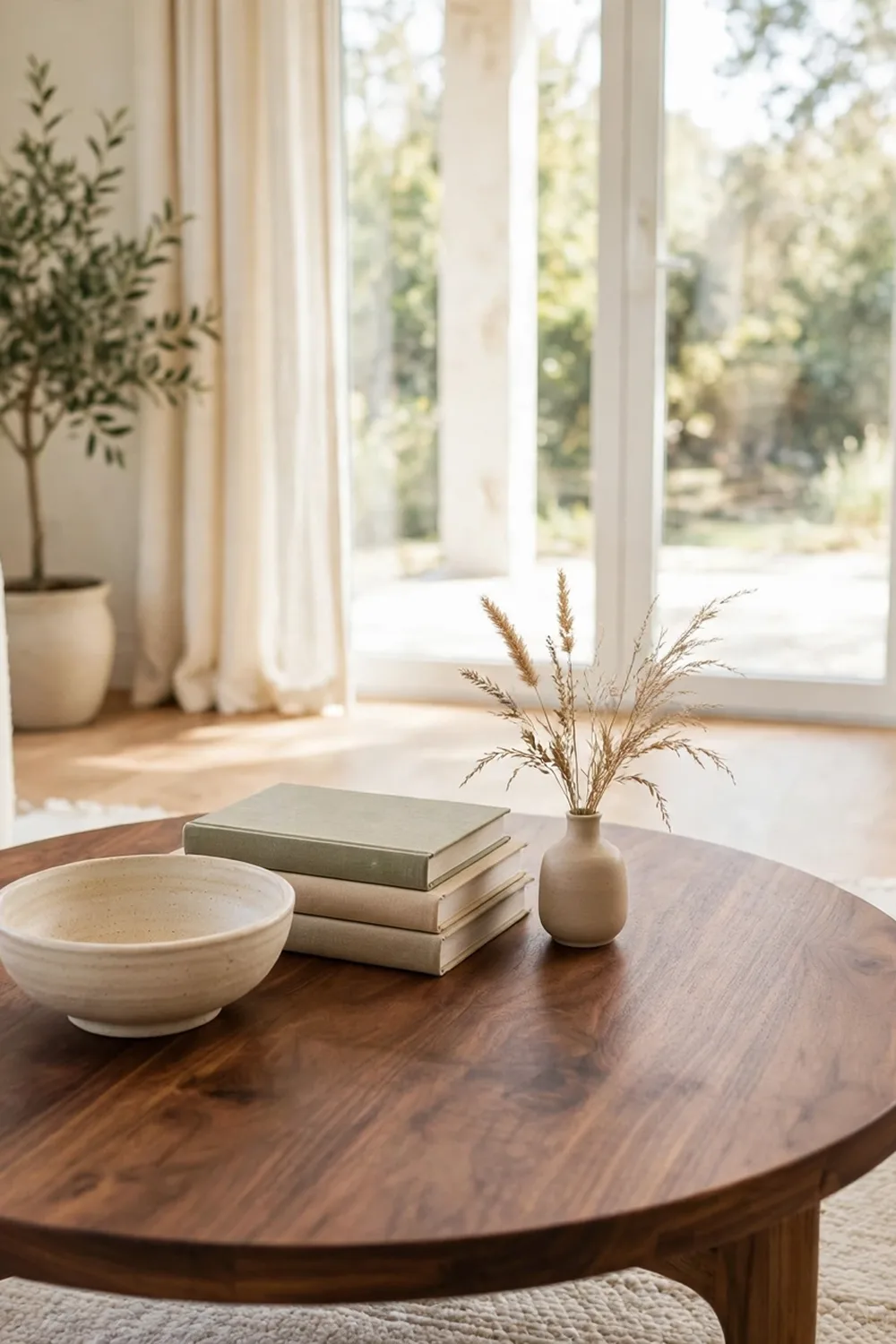
The coffee table is the working heart of a living room, and it should be styled to be used. Leave open space for drinks, books, and the remote, and group the decorative pieces on a tray or in one corner. Our guide to coffee table tray decor ideas shows how a tray keeps the arrangement tidy and leaves room for everyday use, with three-object groups that work on rectangular and round tables. For round tables specifically, our guide to round coffee table decor ideas explains offset groups, low bowls, and book stacks that suit a circular surface. If your table is glass, our guide to glass coffee table decorating ideas covers low object groups, lower-shelf balance, and how to handle reflections.
A console table behind the sofa or against a wall is the second surface that shapes the room. Give it a clear role — a lamp, a small tray for keys and glasses, and one piece of art or a mirror above it — and resist the urge to fill it. Our guide to console table decor ideas shows how to balance a focal point, light, and daily storage on a narrow surface, including behind-sofa consoles and how to keep circulation clear. A console also helps in an open-plan room, where it can mark the edge of the living area without blocking the view.
What to Put on Each Surface
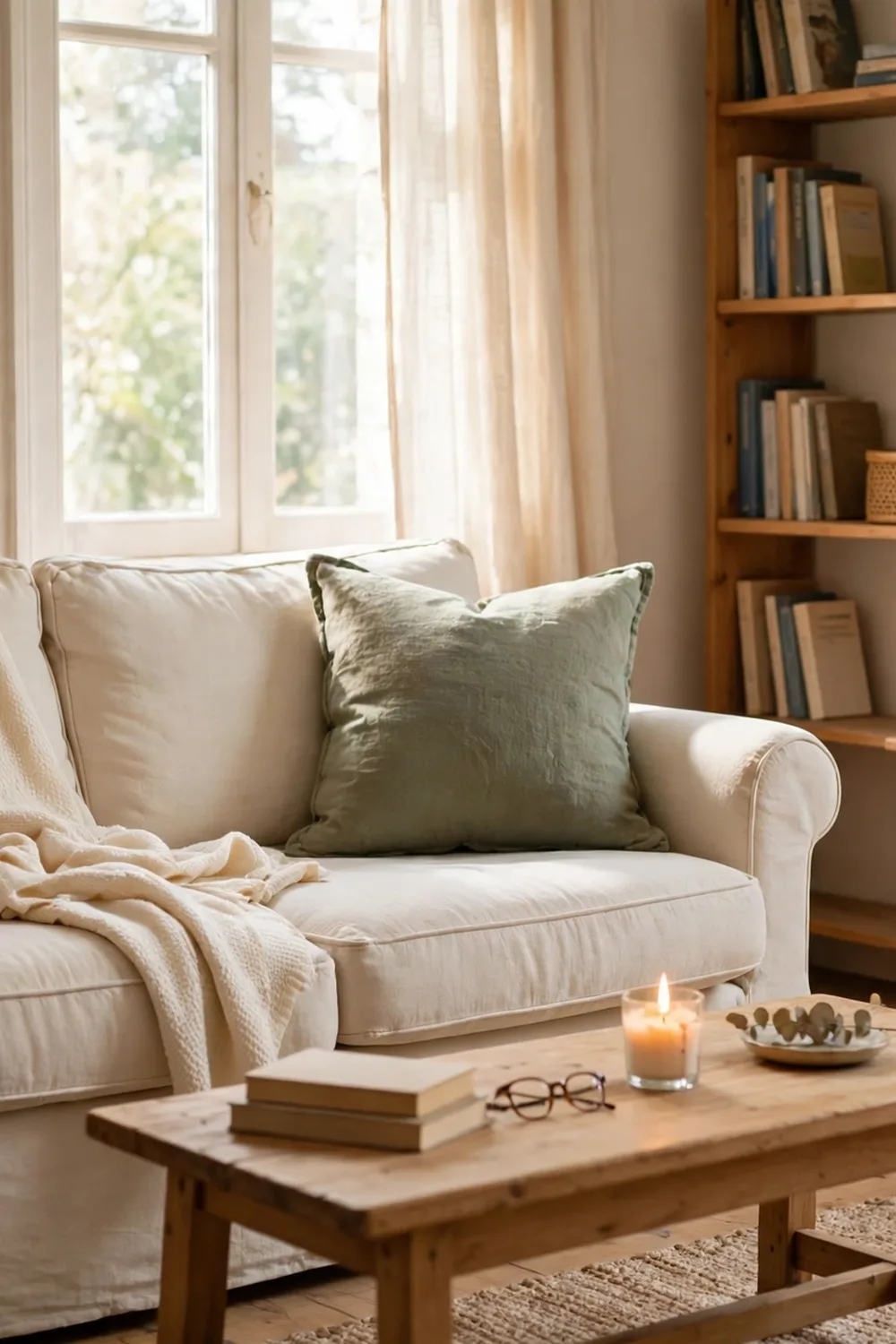
Use this simple rule: each surface gets one useful group and one decorative group, and nothing else. On the coffee table, that might be a tray with a candle and a small vase plus open space for drinks. On the console, it might be a lamp plus a tray for keys. On a side table, a lamp and a book are enough. When every surface follows the same rule, the room looks intentional instead of crowded, and it is much easier to tidy at the end of the day.
Use Bookshelves, the Mantel, and the Television Wall
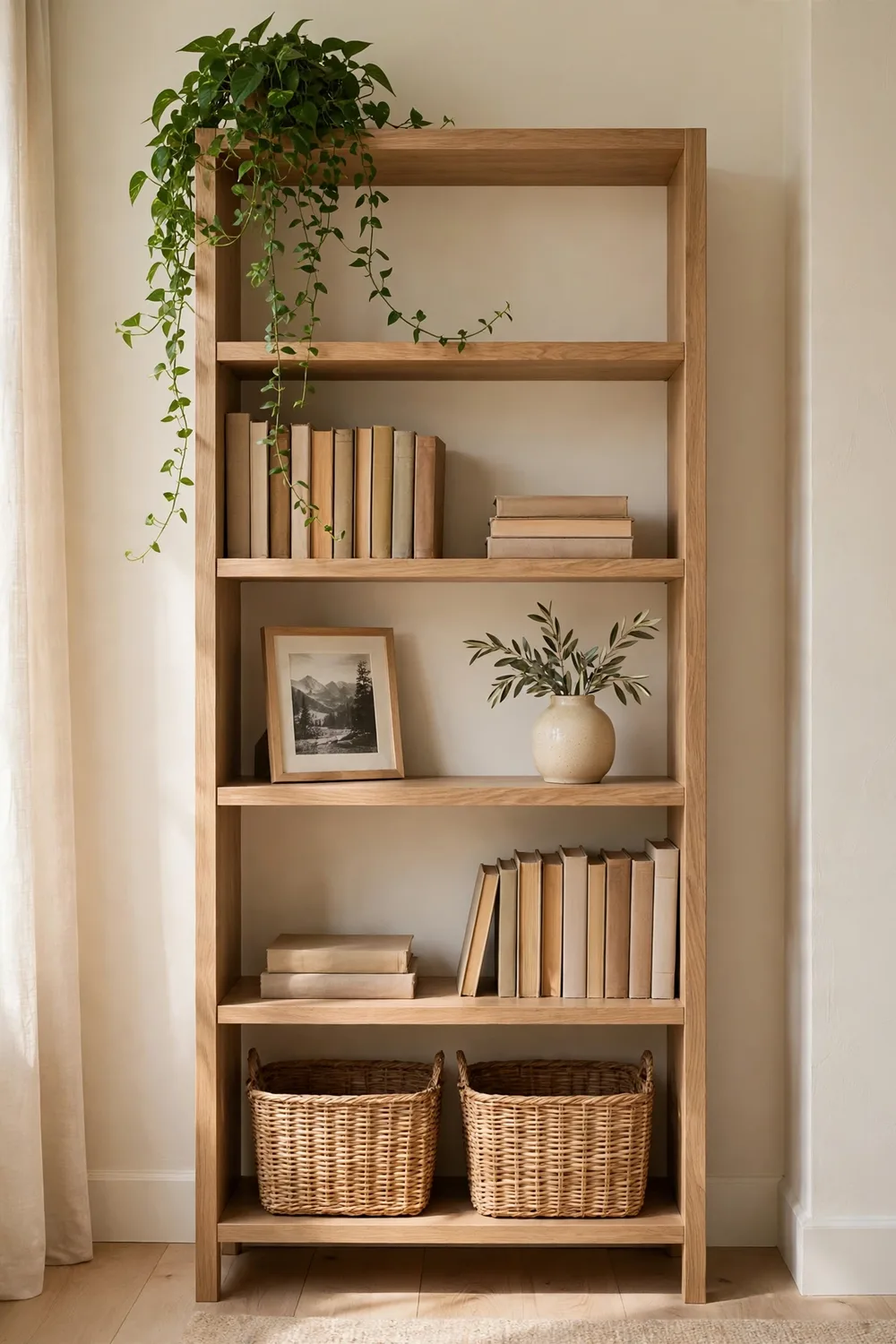
Bookshelves are one of the best places to show personality in a living room, but only if they are styled with breathing room. Our guide to how to decorate bookshelves explains how to start with the collection, leave negative space, use horizontal stacks and upright groups, and keep the lower shelves for baskets and practical storage. Check the shelf capacity and stability first, follow the manufacturer’s load instructions, and anchor tall bookcases to the wall.
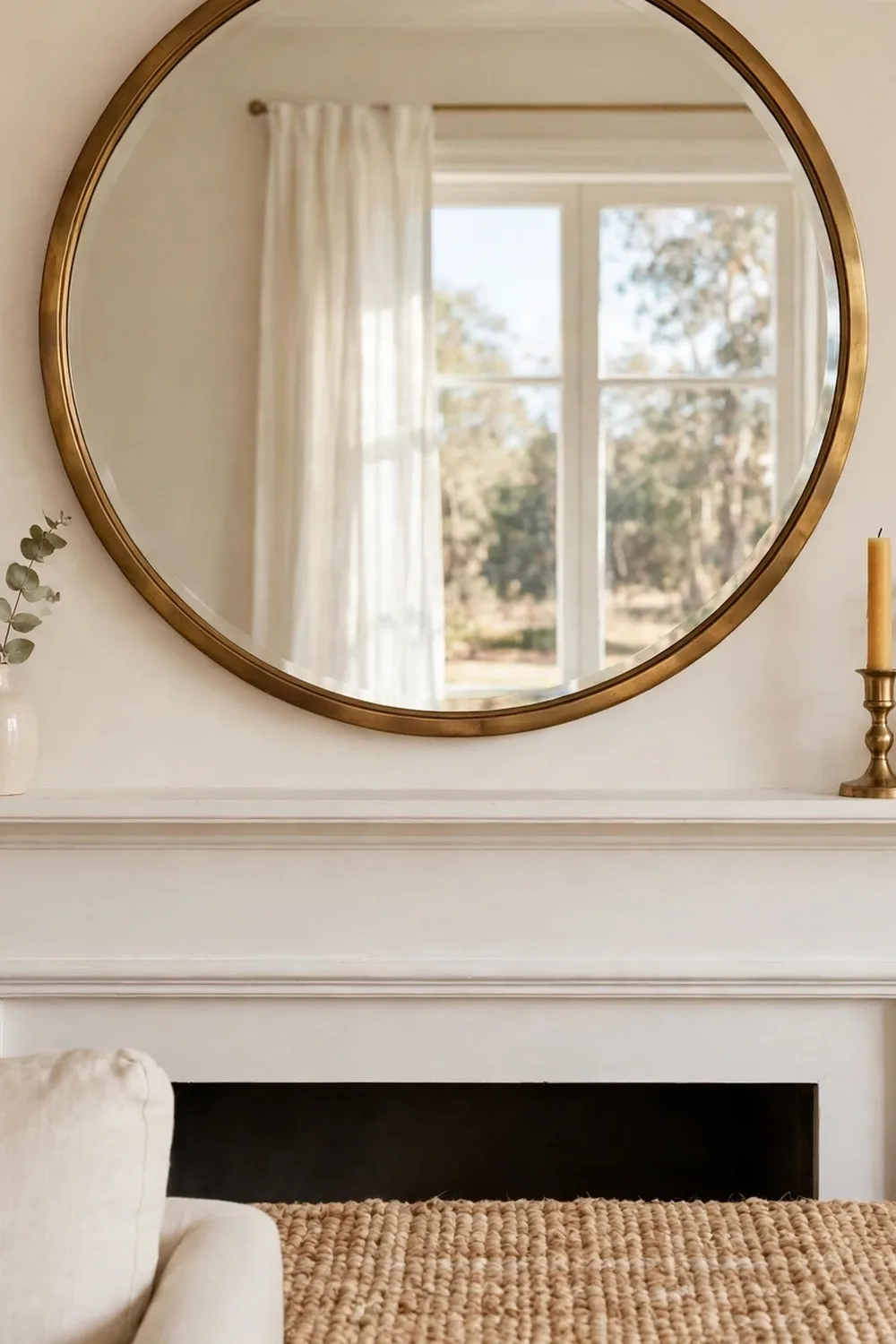
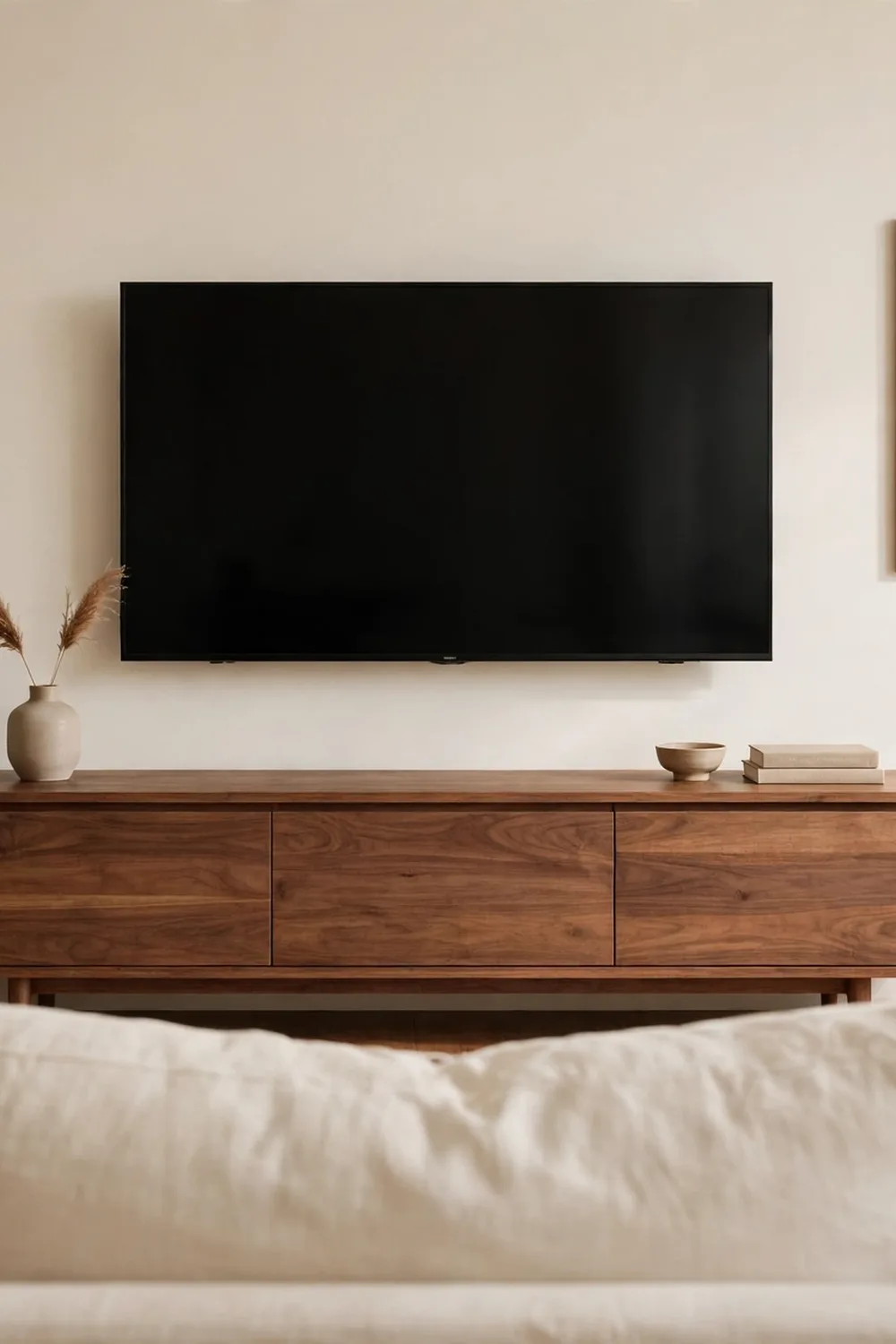
The mantel is the room’s natural focal point, and it needs very little to look finished. A mirror above it reflects light and makes the room feel larger, while a simple arrangement of candles or vases on either side gives it balance. Our guide to mantel decor with a mirror covers mirror shapes, symmetry, and compact mantels, including how to choose the reflected view. If your television sits above the fireplace, our guide to fireplace mantel decorating ideas with a TV above explains how to keep the wall from feeling crowded and how to handle sightlines and equipment space. Keep decorations away from heat, follow the manufacturer’s instructions for the fireplace and the television mount, and never hang anything that blocks the screen or the ventilation.
Add Textiles, Color, and Art
Textiles are the easiest way to change a living room, and they are the layer most people enjoy most. A rug defines the seating area and warms a hard floor — choose one large enough to sit under the front legs of the sofa and chairs, and use a non-slip pad so it stays flat. Cushions add color and comfort: two or three in related colors and different textures look better than a matching set of six. A throw over the arm of the sofa invites someone to use it, which is exactly the point.
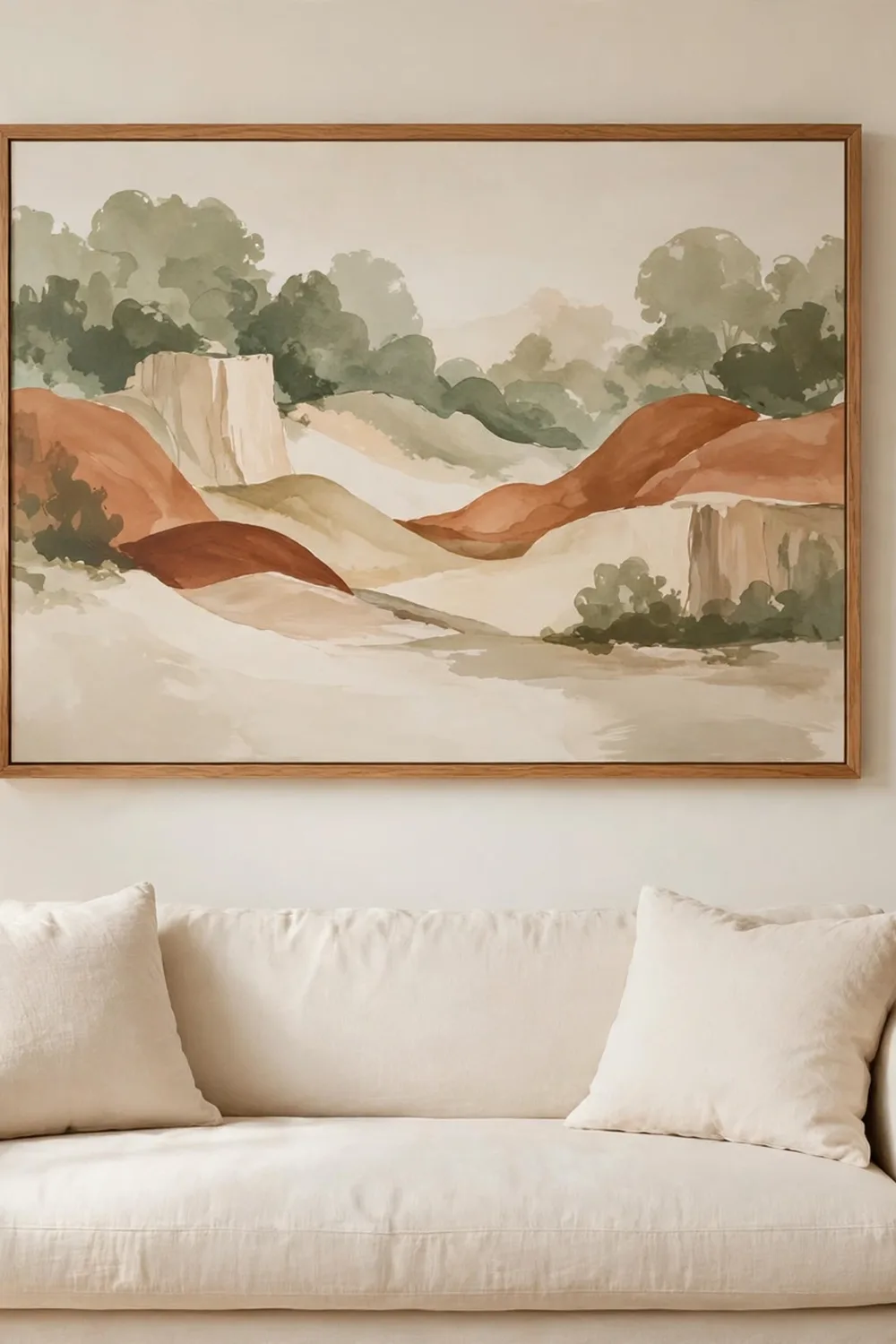
Art is the layer that makes the room feel personal. One large piece above the sofa usually works better than several small pieces scattered around the room. Living room design should leave empty wall space around art so each piece can be seen, and the art should sit at a height that relates to the furniture below it rather than floating near the ceiling. For detailed guidance on choosing and hanging art in this room, see our living room wall art guide, which covers sizes, frames, placement, and how to mix pieces without clutter.
Color works best when it repeats in small doses. If your accent color is a muted green, use it in a cushion, a vase, and a piece of art, and keep the rest of the room neutral. That repetition ties the room together without making it feel themed. Living room decorating ideas that rely on one bold color everywhere — a red sofa, red cushions, red curtains, and red art — usually feel tiring after a few weeks, while a room with a calm base and a repeated accent stays pleasant for years.

Living Room Decor Inspiration for Different Lifestyles
A living room for a family with young children needs washable fabrics, soft edges, and storage that is easy to reach. Choose a tray with soft edges on the coffee table, baskets on the lower bookshelf for toys, and cushions you can wash. Keep fragile objects high and out of reach, and leave open floor space for play.
A living room for entertaining needs flexible seating and clear surfaces. An ottoman that doubles as extra seating, a tray that can move from the coffee table to a side table, and a drinks area on the console make the room work for a crowd. A living room for quiet evenings needs the opposite: a reading lamp, a comfortable chair, a small table for a book and a drink, and as little clutter as possible.
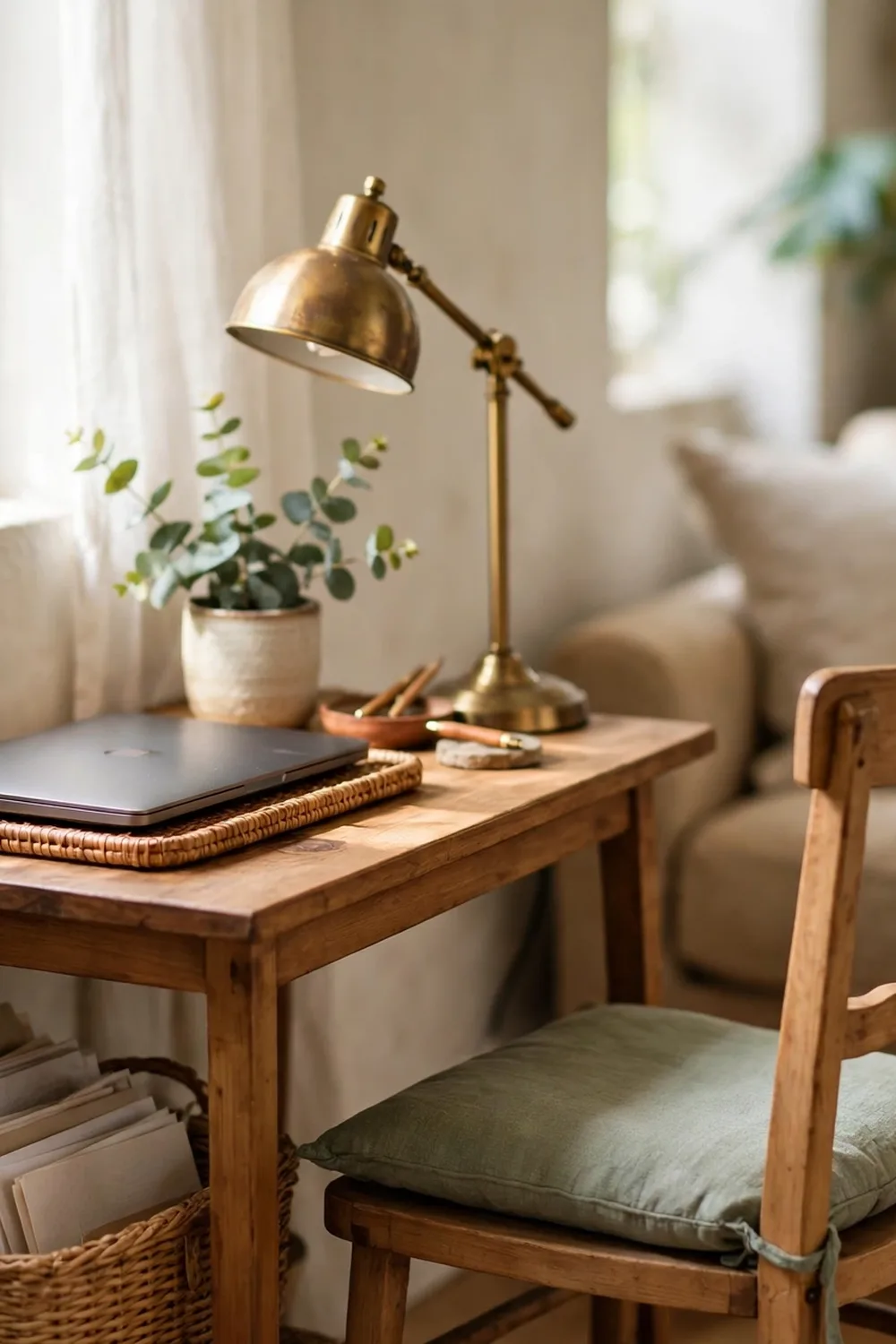
If you work from home in the living room, give work a clear zone that can be packed away. A tray or a basket for a laptop and papers, a lamp that works for both reading and working, and a chair that supports you for an hour are enough. At the end of the workday, pack the work away so the room can go back to being a living room.


Budget Swaps and Small Refreshes
You do not need a new sofa to refresh a living room. Start with the changes that cost little and affect the whole room: move the furniture, change the cushions, add a lamp, or hang art you already own in a new spot. Living room decor inspiration often comes from rearranging what you have rather than buying something new.
A few low-cost swaps make a real difference: a new rug or a rug pad that stops the old rug from sliding, cushions in a fresh accent color, a throw in a soft texture, a plant in a corner that feels empty, and a candle on the coffee table in the evening. Rearrange the bookshelves, clear one surface completely, and see how the room feels for a week before you buy anything else. If the room still feels wrong, the problem is usually the layout or the light, not the accessories — for layout options by room shape, see our living room layout guide, and for low-cost refresh ideas, see our living room ideas on a budget guide.
Mistakes to Avoid
Avoid pushing all the furniture against the walls, which makes the center of the room feel empty and makes conversation harder. Avoid a rug that is too small for the seating area, a television mounted so high that watching it hurts your neck, and a coffee table so large that nobody can walk around it. Avoid buying a matching set of everything — a room looks more personal when the pieces were chosen one at a time. And avoid decorating every surface at once: clear one surface, live with it for a few days, and then decide what it actually needs.
| Area | One strong idea | Keep it usable by |
|---|---|---|
| Sofa area | Rug under the front legs, two or three cushions | Leaving space to sit and move |
| Coffee table | A tray with a candle and a small vase | Leaving open space for drinks and books |
| Console | A lamp and a tray for keys | Keeping the walkway clear |
| Bookshelves | Books, breathing room, and lower baskets | Checking load limits and anchoring tall cases |
| Mantel | A mirror and a simple balanced group | Keeping decor away from heat |
Frequently Asked Questions
How do I decorate my living room?
Start with the palette, the seating, and the light. Arrange the furniture for conversation, add a rug and textiles in your palette, and finish with one large piece of art and a few well-chosen accessories.
What is the easiest way to refresh a living room?
Move the furniture, change the cushions and throw, add a lamp, and clear one surface completely. Live with the change for a week before buying anything new.
How do I make a living room feel welcoming?
Use warm lamps in the evening, soft textiles, a rug under the seating area, and a clear surface for drinks and books. Leave room to move, and keep one comfortable chair with a lamp for reading.
How many cushions should a sofa have?
Two or three cushions in related colors and different textures usually look better than a matching set of five or six. Leave room to sit comfortably without moving cushions first.