Home Decor Inspiration for Every Room and Style
Home decor inspiration starts with a simple question: how do you want your home to feel when you walk in? Calm, warm, bright, or full of personality — the answer guides every choice that follows, from the colors on the walls to the lamp on the side table. This guide gives you a practical way to find your style, build a coherent look room by room, and make changes you can actually live with, whether you are starting from an empty room or refreshing a home you already love.

The mistake most people make is starting with shopping. They buy a cushion here and a vase there, and the rooms never quite come together. A better order is: decide the feeling, choose a palette and a few materials to repeat, plan each room around one clear purpose, and only then choose individual pieces. When the palette and materials repeat from room to room, even very different rooms feel like they belong in the same home.
Start With How You Want Your Home to Feel
Before you look at a single image, spend a few minutes noticing what you already like. Which rooms in your home do you enjoy most, and why? Is it the morning light, the soft sofa, the clear surfaces, or the color of the walls? Which rooms feel restless, and what bothers you about them — too much clutter, too little light, colors that fight each other, or furniture that does not fit the way you live?
Write down three words for the feeling you want: calm, warm, and welcoming, for example, or bright, fresh, and organized. Those three words become your filter. When a piece matches all three, it belongs. When it matches none of them, it does not — however pretty it is on its own. Keep a small folder of images you love, whether on paper or on your phone, and look for the patterns: the same colors, the same wood tones, the same kind of light appearing again and again. That pattern is your style, even if you cannot name it yet.
Finding Your Style Without Copying a Showroom
A showroom is designed to sell furniture, not to fit your life. Use images as inspiration for a feeling, not as a shopping list. Notice the palette, the amount of empty space, the mix of old and new, and the way light is used. Then ask what would work in your home: do you have children or pets, do you work from home, do you entertain often, do you need storage more than display space? The style that fits your life is the one you will still love in a year.
If you are torn between two styles, look for the overlap. A modern room and a cozy room can share the same warm wood and soft textiles. A minimalist room and a collected room can share the same calm palette. Start with the overlap, and let the differences show up in small choices — a cushion, a piece of art, a lamp — rather than in the whole room.

Build a Palette and Materials That Repeat
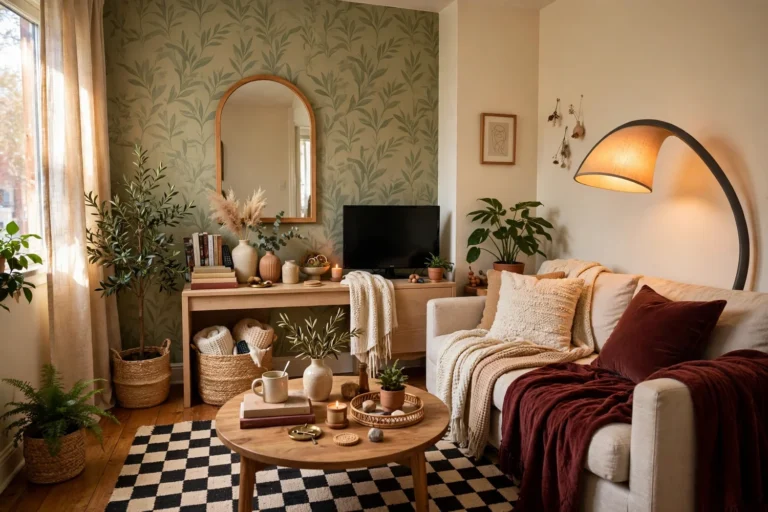
A coherent home usually has one palette that runs through it, with each room shifting the balance. Choose three to five colors: a light neutral for walls and large surfaces, a mid-tone for furniture and textiles, a deeper accent for cushions and art, and one warm metallic or wood tone that repeats everywhere. When the same wood tone appears in the living room, the bedroom, and the kitchen, the home feels connected even if the rooms are decorated differently.
Materials matter as much as color. Wood, linen, cotton, ceramic, glass, and metal each bring a different feeling, and repeating two or three of them through the home ties the rooms together. A home that mixes too many materials — glossy plastic, dark wood, chrome, rattan, and velvet all at once — feels busy even when the colors match. Choose a small set of materials you love, and use them in every room in different proportions.
Test a palette before you commit to it. Paint a small patch, live with a cushion for a week, and look at the colors in morning and evening light. Colors change with the light, and a color that looks calm at noon can look cold at night. If you rent, test with textiles and removable pieces first, because they are easy to change if the palette does not work.


Room-by-Room Home Decor Inspiration
Think of each room as having one main job, and decorate around that job. The living room is for gathering and relaxing, the bedroom is for rest, the kitchen is for cooking and eating, and the entry is for arrivals and departures. When the room’s job is clear, the furniture and the decor choices become clearer too.
Living Room: Seating and Light First
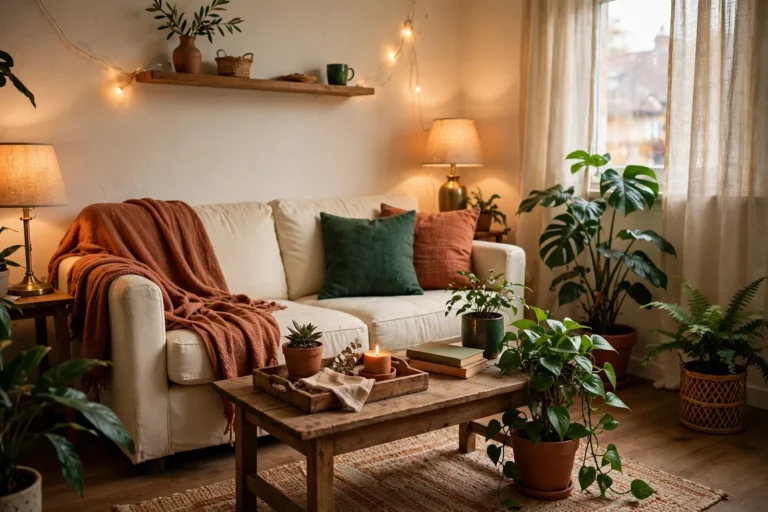
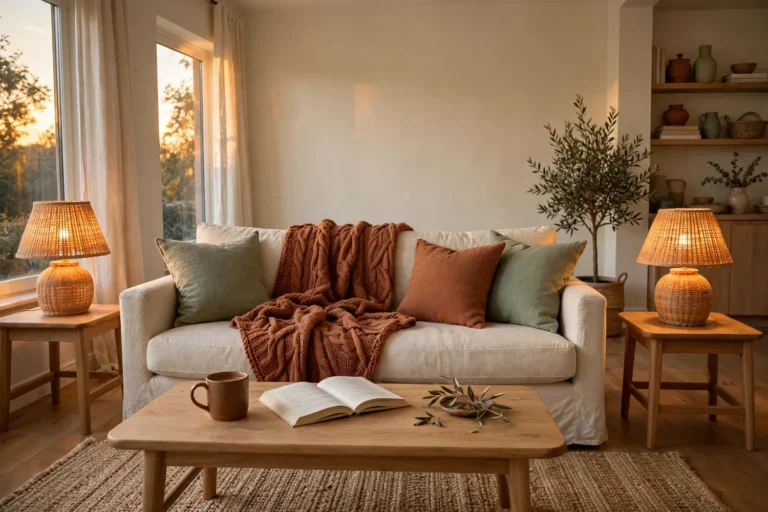
In the living room, start with the seating and the light. A comfortable sofa, a lamp you can read by, and a surface for a drink are the essentials; everything else is decoration.
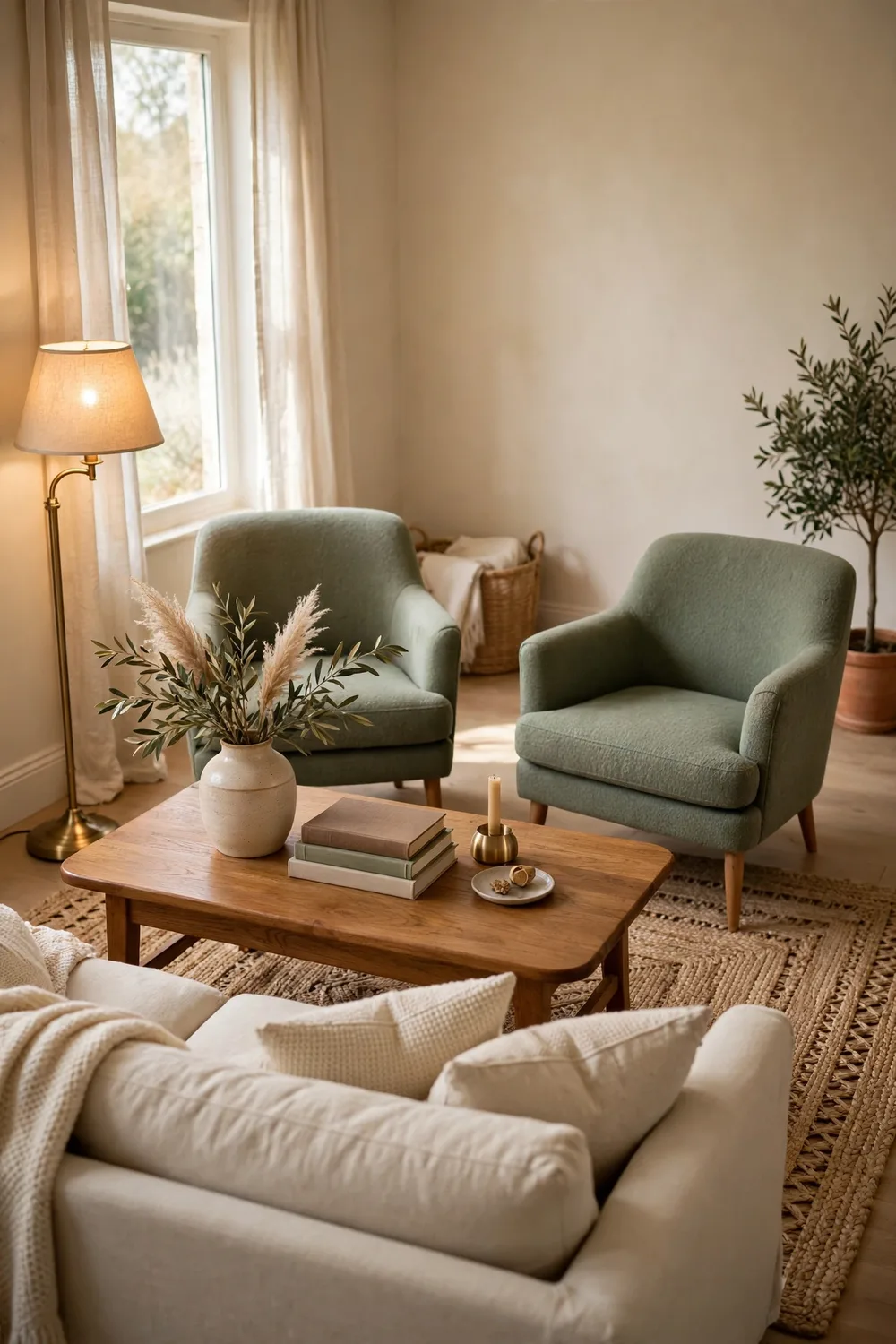
Our guide to how to create a reading nook shows how a chair, a lamp, and a small table can make a quiet corner in any room, and the same idea works in a living room that needs a calm spot. For shelves and surfaces, our guide to how to decorate bookshelves explains how to arrange books and objects with breathing room instead of filling every shelf.
Bedroom: The Bed Is the Anchor
In the bedroom, the bed is the anchor.
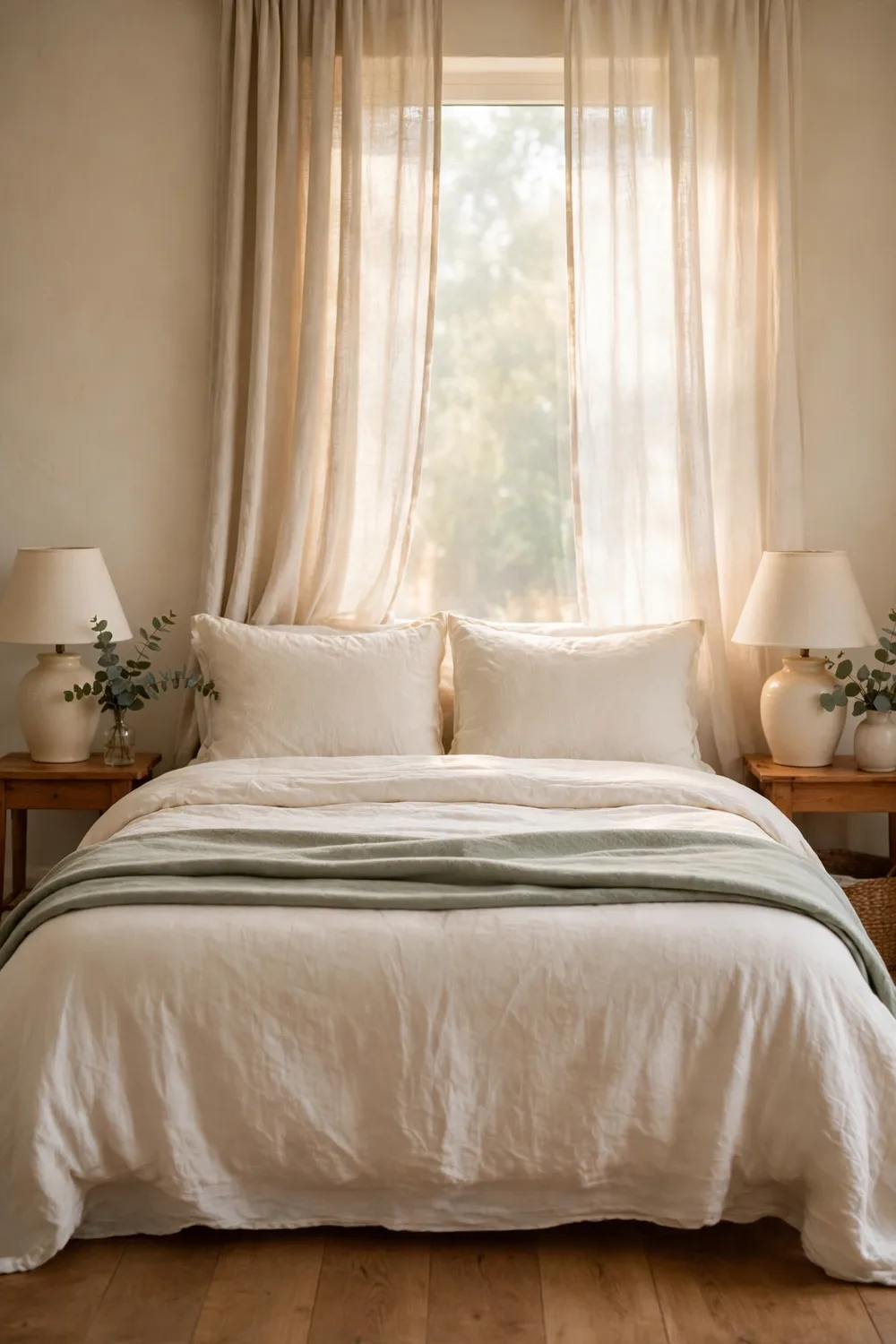
Fresh bedding, a soft throw, and a lamp on each side create a calm room even before you add art or accessories.
Kitchen: Clear Counters, One Beautiful Group
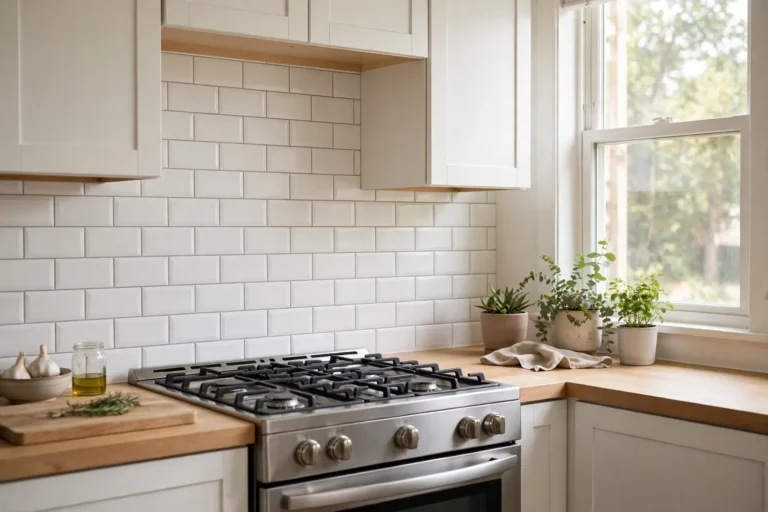
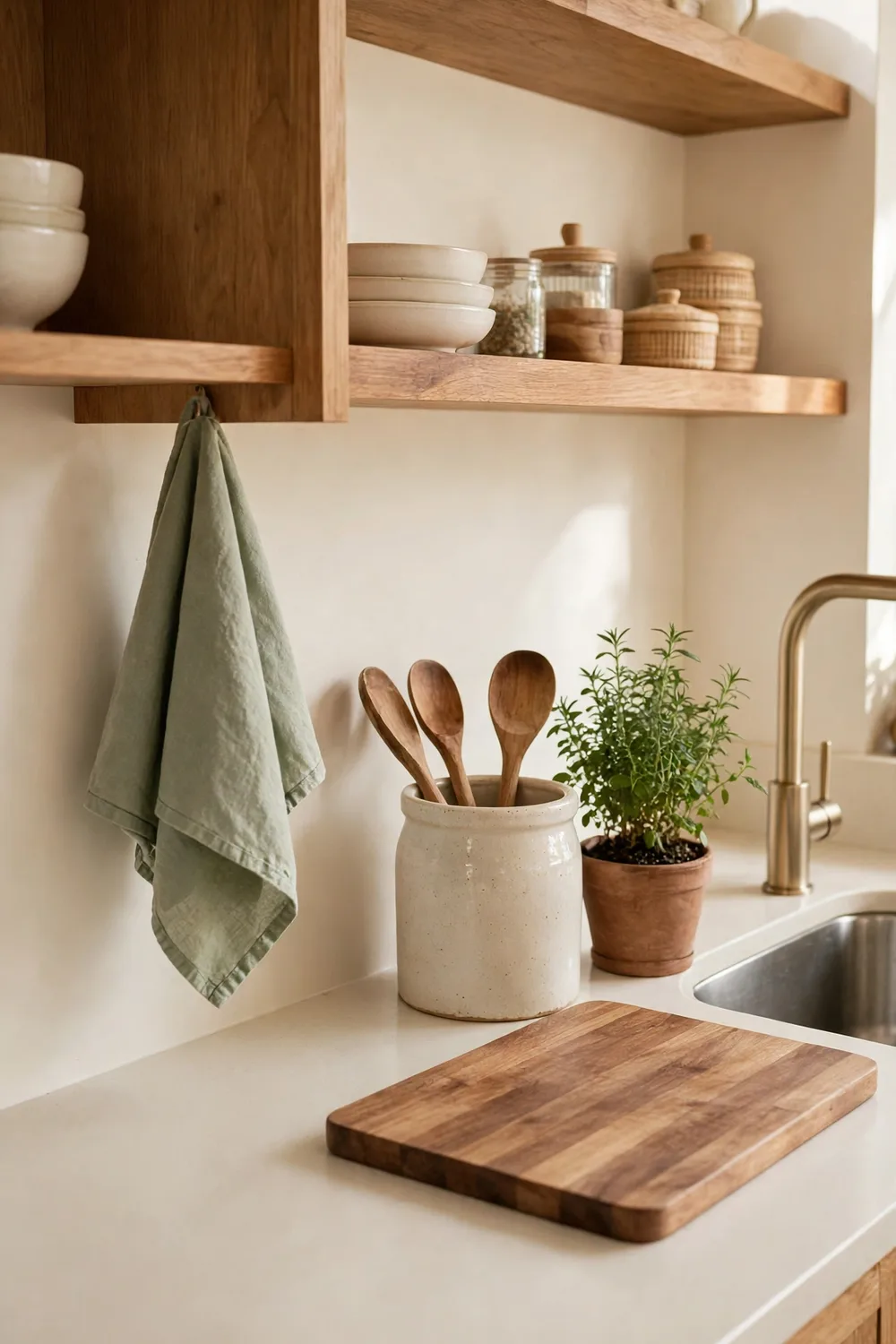
In the kitchen, keep the counters clear and let one or two useful, beautiful items — a wooden board, a ceramic crock, a small plant — carry the decoration.
Entry: A Welcoming First Surface
In the entry, a console table with a lamp and a tray for keys gives arrivals a clear, welcoming place to land; our guide to console table decor ideas shows how to balance those pieces on a narrow surface.

How to Keep Rooms Connected Without Making Them Identical
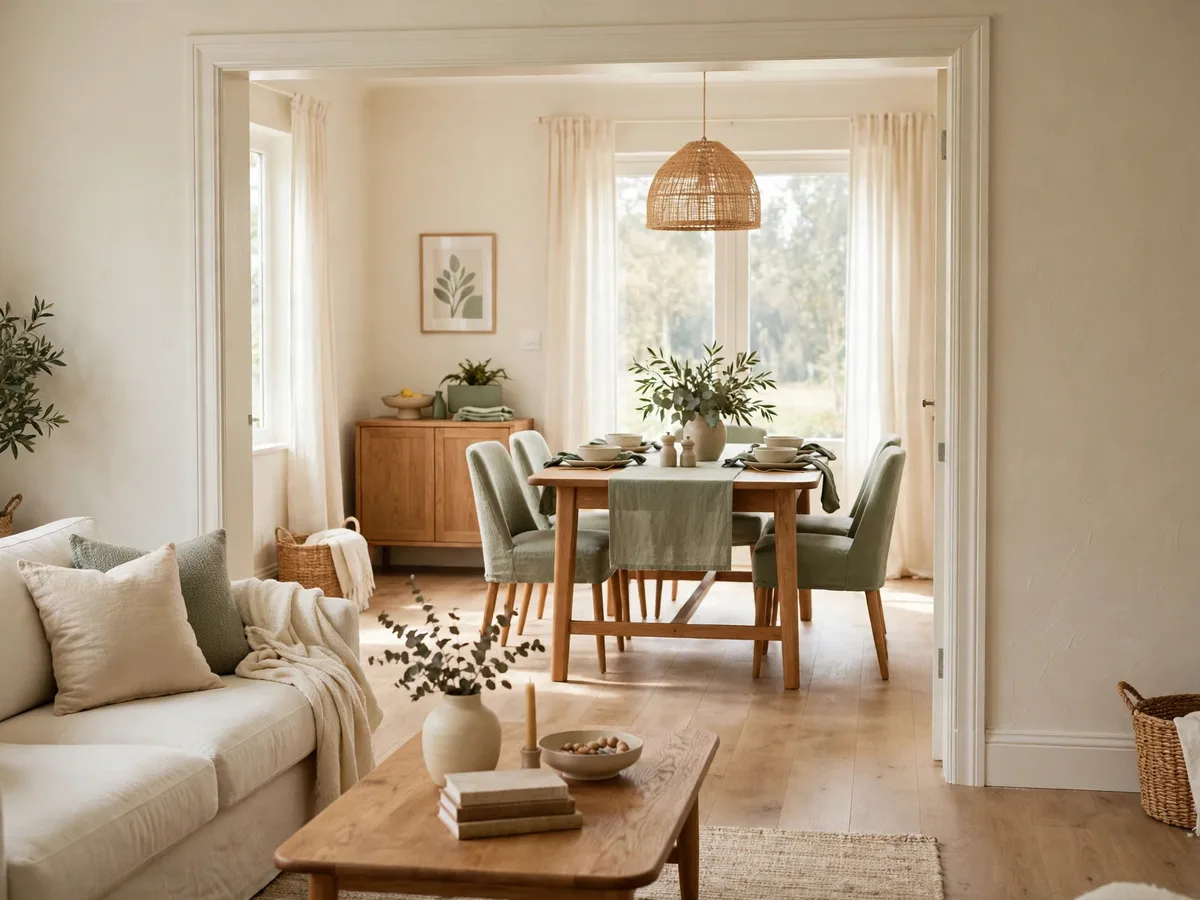
Repeat one color, one material, and one shape from room to room, and change everything else. The same warm wood might appear as a coffee table in the living room, a nightstand in the bedroom, and a cutting board in the kitchen. The same soft blue might be a cushion in one room and a vase in another. That repetition is what makes a home feel designed rather than assembled, and it works even when each room has a different style.
Doorways and sightlines matter too. When you stand in one room and can see into the next, the two rooms should share at least one color or material. You do not need to match them exactly — a shared tone is enough — but a jarring clash across an open doorway will make both rooms feel wrong.
Lighting, Textiles, and the Layers That Make a Room Feel Finished
Lighting is the layer most people underestimate. A room with a single overhead light feels flat, while the same room with a lamp, a candle, and daylight feels warm and finished. Use three kinds of light where you can: daylight from windows, a main light for general use, and a smaller lamp or candle for the evening. Turn the overhead light off in the evening and use the lamps instead, and the room will immediately feel calmer.
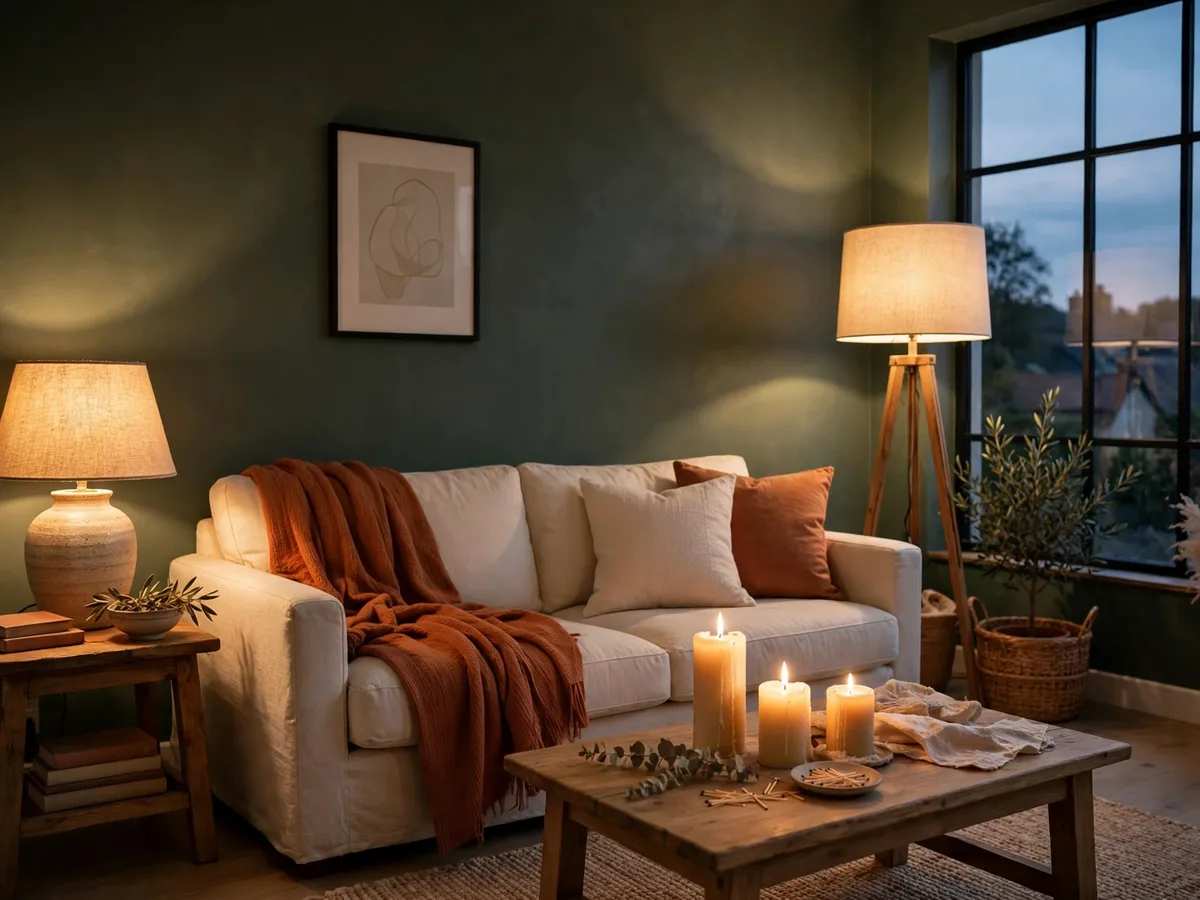
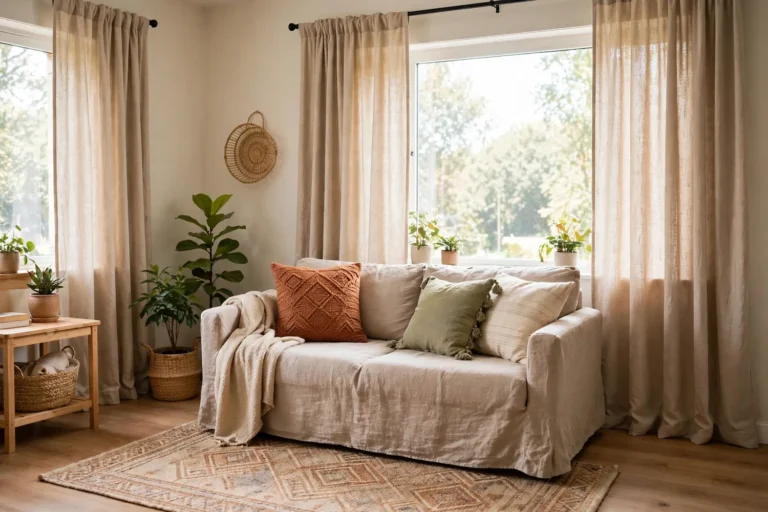
Textiles are the second layer that makes a room feel finished. Cushions, throws, curtains, and rugs add softness, color, and warmth, and they are the easiest things to change when you want a fresh look. Choose textiles in your palette, mix one pattern with plain fabrics, and avoid buying a matching set of everything — a room looks more personal when the cushions are related but not identical.
Art and objects are the final layer, and they should mean something to you. One large piece of art you love is better than five small pieces you bought to fill a wall. Leave empty space around art and objects so each piece can be seen. A shelf with three objects and breathing room looks more expensive than a shelf packed with ten.

Small Changes That Make a Big Difference
You do not need a full makeover to change how your home feels. Start with the changes that cost little and affect the whole room: clear one surface completely, add a lamp, change the cushions, or move a piece of furniture to a better spot. Clearing a surface often reveals the room underneath the clutter, and it costs nothing.
Move furniture before you buy furniture. Try the sofa on a different wall, move the reading chair nearer the window, or swap the art between two rooms. Living with a new arrangement for a week tells you more than any plan on paper. If a room still feels wrong after you have moved things around, the problem is usually light, color, or clutter — not the furniture itself.
A Simple Order for Refreshing a Room
Work in this order: clear and clean, fix the light, choose the palette, arrange the furniture, then add textiles and art. Skipping the first steps and buying decoration first is the most common reason a refresh fails. When the room is clear and the light is right, even a few well-chosen pieces will look intentional.
For renters, focus on the layers you can take with you: lamps, textiles, art with removable hooks, and furniture that fits more than one room. Follow the manufacturer’s instructions for any removable mounting, test it on a hidden spot first, and check the weight limit before hanging anything heavy. Tall furniture should be anchored to the wall where possible — anchor tall furniture per CPSC Anchor It! guidance (https://www.anchorit.gov) — and follow the manufacturer’s mounting and load instructions for shelves and wall pieces.

Common Mistakes and How to Avoid Them
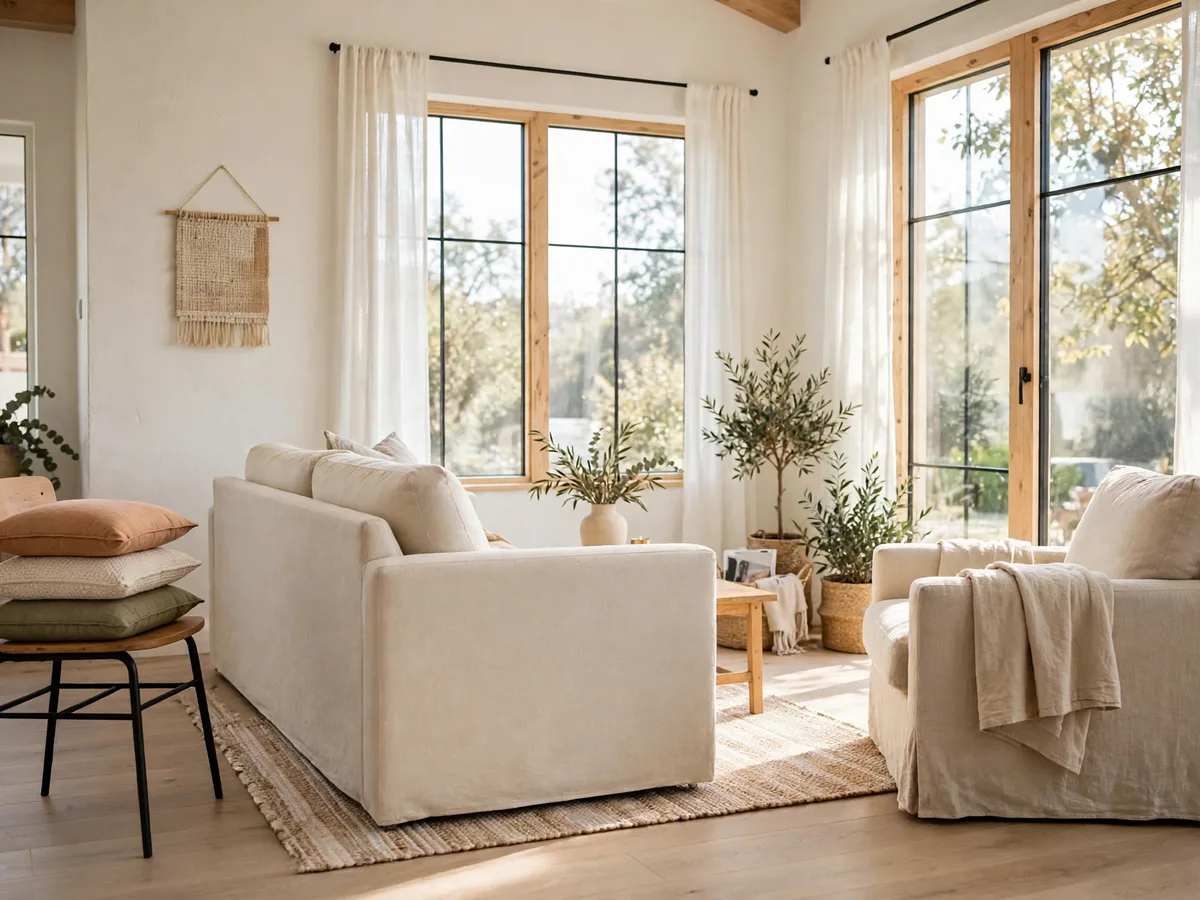
The most common mistake is buying too many small decorations instead of a few larger ones. Small objects scattered across every surface make a room look cluttered, while one larger vase, one lamp, and one piece of art give the eye somewhere to rest. If a surface feels busy, remove half the items and see if the room feels calmer.
A second mistake is matching everything. A room where the sofa, cushions, curtains, and rug are all the same color and pattern feels like a set, not a home. Mix related colors and textures instead, and let one or two pieces break the pattern — a different wood tone, a bolder cushion, or a piece of art with a contrasting color.
A third mistake is ignoring scale. A tiny rug under a large sofa, a small picture above a wide bed, or a lamp that is too short for the table next to it will make the room feel off even if the colors are right. When in doubt, choose the larger option for rugs and art, and test the arrangement by standing back and looking at the whole wall rather than at one piece at a time.
| Room | Start with | One inspiring change | Avoid |
|---|---|---|---|
| Living room | Seating and a reading lamp | A calm corner with a chair and a lamp | Filling every shelf and surface |
| Bedroom | The bed and fresh bedding | Soft textiles in your palette | A small picture above a wide bed |
| Kitchen | Clear counters | One useful, beautiful group of items | Decor that blocks prep space |
| Entry | A console with a lamp and a tray | A welcoming first surface | Blocking the doorway with furniture |
| Any room | Clear surfaces and good light | One large piece of art you love | Matching every item in the room |

Frequently Asked Questions
Where do I start with decorating my home?
Start with how you want the home to feel, then choose a small palette and a few materials to repeat. Clear one room, fix the light, arrange the furniture, and only then add textiles and art.
How do I find my decorating style?
Collect images you love and look for the patterns — the same colors, wood tones, and light appearing again and again. Then filter those ideas through your real life: children, pets, work, and storage needs.
How do I make different rooms feel connected?
Repeat one color, one material, and one shape from room to room, and change everything else. Rooms that share a tone across a doorway will feel like they belong together.
Can I mix decorating styles in one home?
Yes. Start with the overlap between the styles — a shared palette or material — and let the differences show up in small choices such as cushions, art, and lamps rather than in the whole room.
A Home That Feels Like Yours
When the palette and materials repeat from room to room, even very different rooms feel like they belong in the same home. That repetition is what makes a home feel designed rather than assembled, and it works even when each room has a different style.